


Palm oil
Its benefits
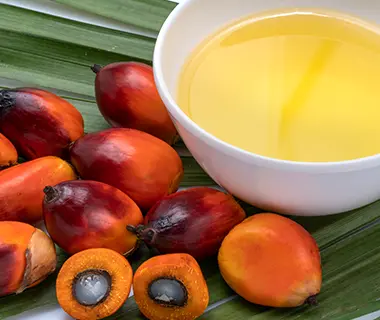
Palm oil is obtained from the fruit of the oil palm. It has been an important type of oil for several millennia and, in recent decades, has become one of the most produced oils in the world.
This is because palm oil is extremely versatile: it is semi-solid at room temperature (ideal for spreading), resistant to oxidation (prolongs the shelf life of products), and withstands high temperatures, making it perfect for frying food.
In addition, palm oil is a great source of vitamin E.
Palm oil is rich in antioxidants, especially vitamin E, which is essential for maintaining a healthy immune system and aiding cell communication. Several studies suggest that an adequate intake of vitamin E may reduce the risk of heart disease, certain types of cancer, and age-related macular degeneration.
Potential health benefits of palm oil
Some of the health benefits currently supported by scientific studies include:
Improved brain health
The vitamin E present in palm oil, in the form of tocotrienols, has been linked to improved brain health. These compounds can protect brain tissue from free radicals more effectively than other antioxidants.
Some studies indicate that tocotrienols from palm oil could even help slow the progression of brain lesions. However, more research is required to confirm these findings.

Promotes heart health
Some studies suggest that the vitamin E present in palm oil may also contribute to improving cardiovascular health. Its antioxidant effects could reduce or slow the progression of heart disease in certain cases.
Although further studies are still needed to confirm these effects, palm oil extract could be beneficial for people with cardiovascular conditions.
Vitamin absorption
Palm oil can improve the absorption of vitamin A, which is essential for eye health and the proper functioning of the retina. Since vitamin A is fat-soluble, it needs fats in the diet to be absorbed efficiently.
Including palm oil in the diet has been shown to increase the body’s ability to absorb vitamin A and, possibly, other fat-soluble vitamins.
Important recommendation: Palm oil should not be consumed reheated, as it loses its cardiovascular benefits and could increase the risk of diseases such as atherosclerosis.
Studies are still being carried out to understand in greater depth all the benefits and possible risks of palm oil.
Currently, the cultivation of oil palm is the most efficient in the world: with fewer resources, a greater amount of oil is produced compared to other crops, which gives it a great projection for the future.
Follow us on our social networks and website to learn more about the benefits, characteristics, production, environmental impact, and derivatives of oil palm.
We are GREMCA, Sustainable Agriculture and Energy.